Property with rare avocado tree has fascinating back story. And it’s almost for sale
Editor’s note: The ban on avocados from Mexico was lifted after a week.
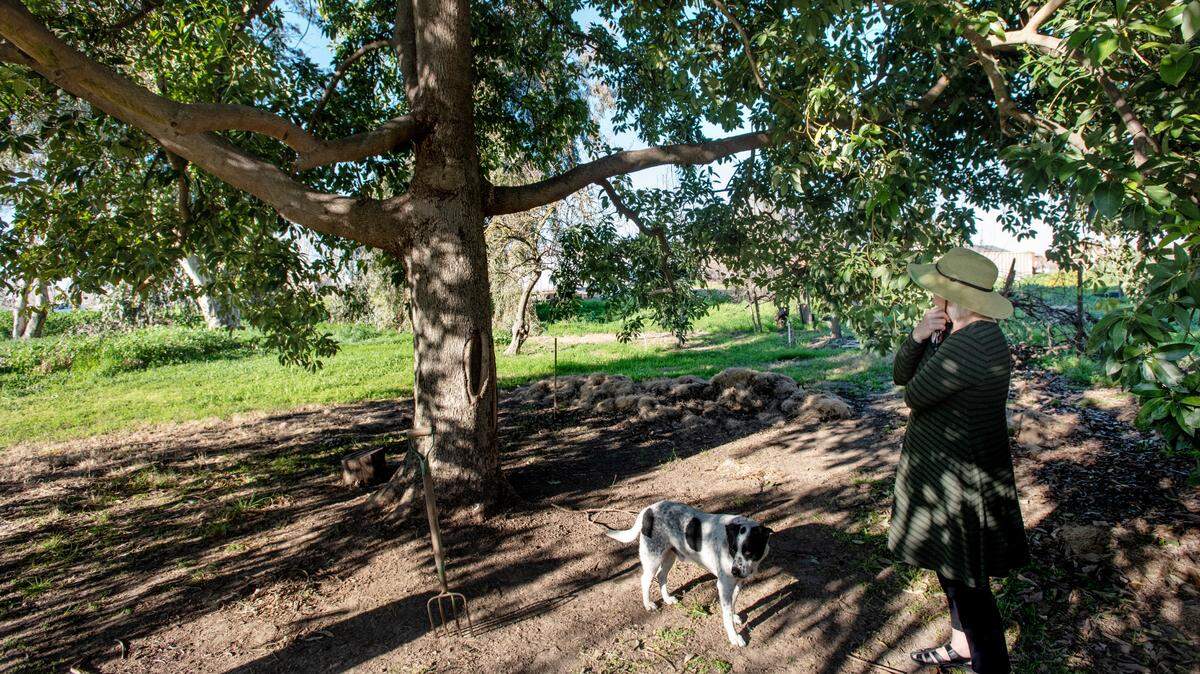
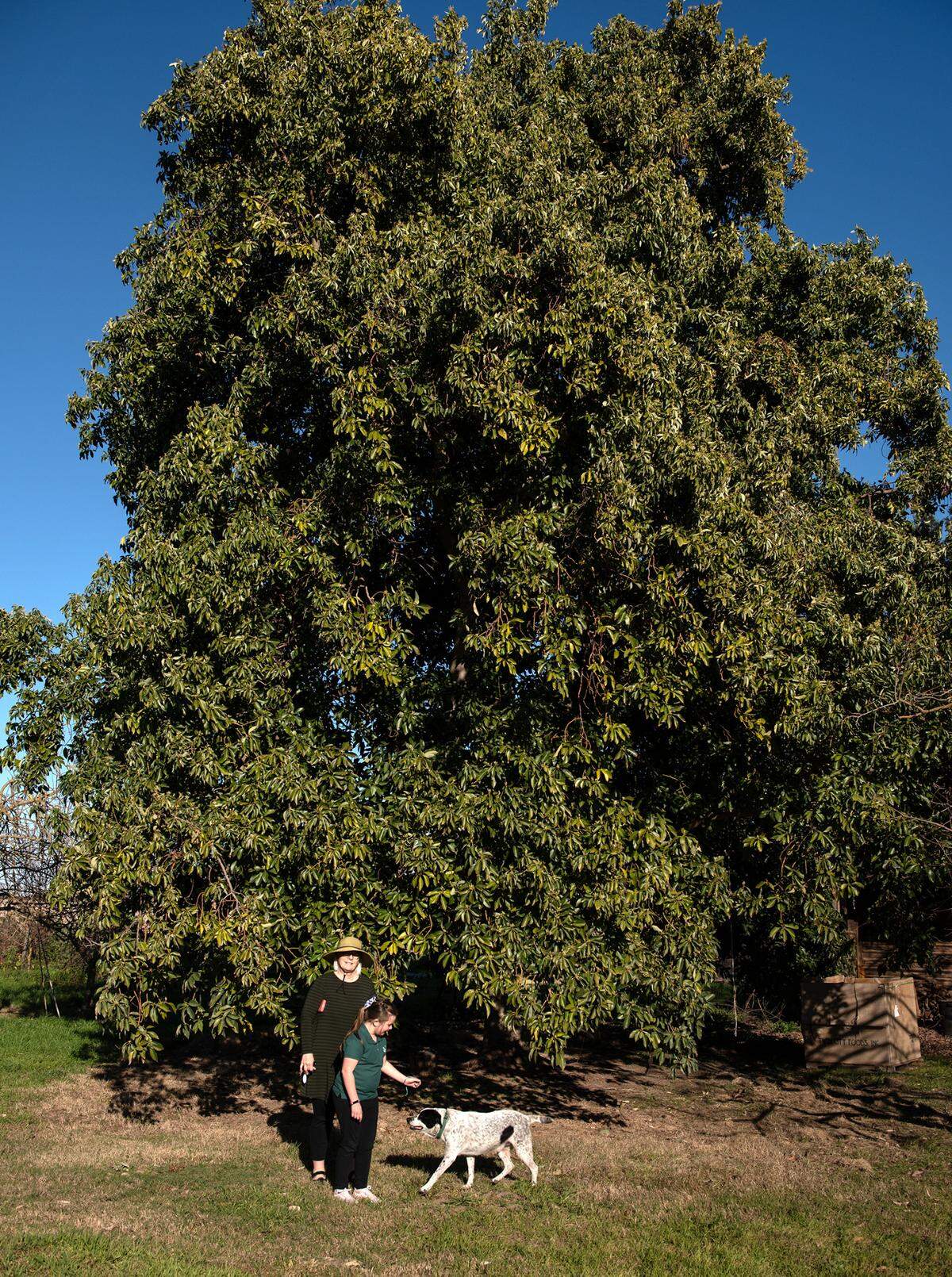
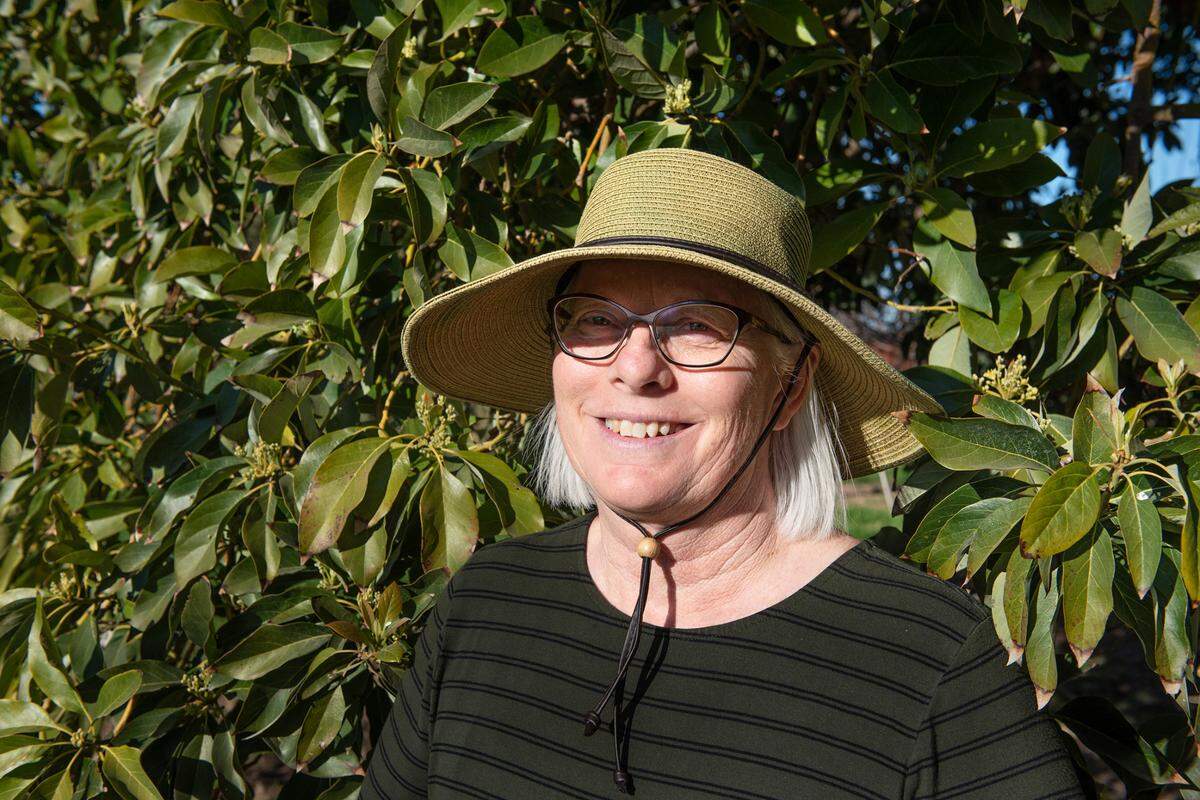
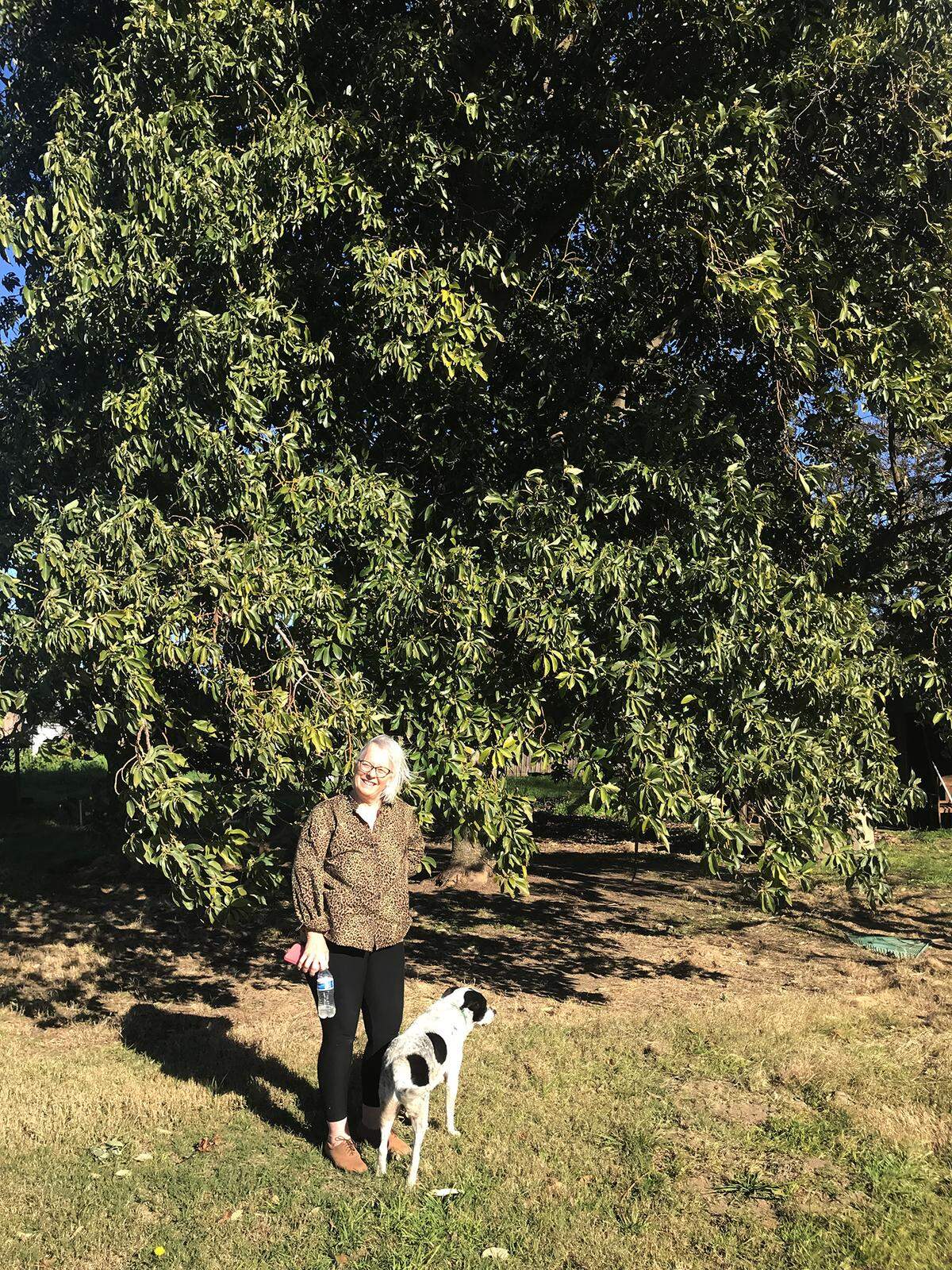
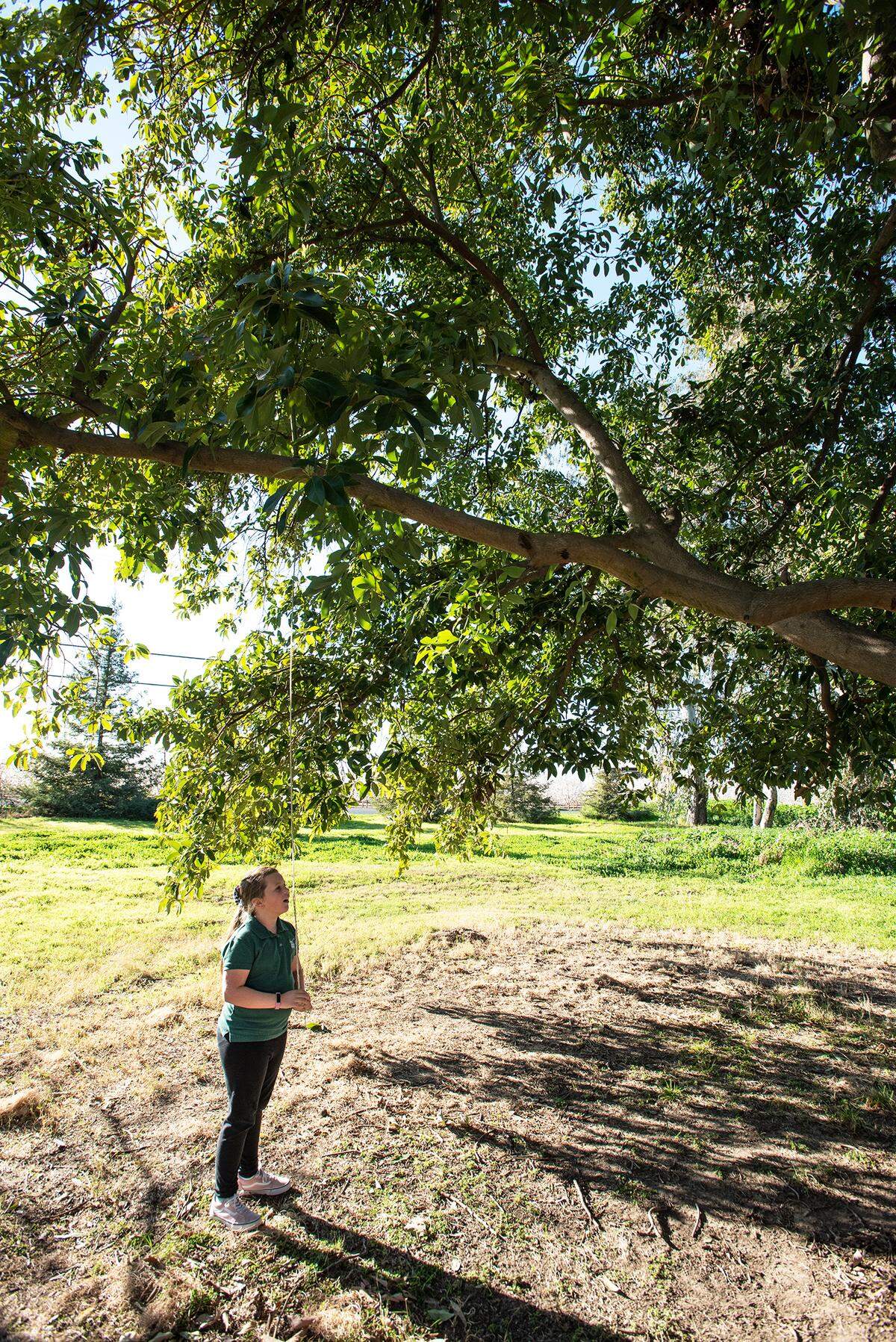
One of the rarest trees in California — producing a plentiful crop of exquisite avocados you can eat like an apple — is right here in Modesto. And pretty soon, it will be up for sale.
Not the 40-foot Puebla avocado tree itself, but the land it has been sitting on for five decades along with the home Laura Sexton’s grandparents built in 1948 a bit north of town.
This story winds through the history of the landmark Oasis restaurant, an outdated gambling regulation, Dan Costa’s formative restaurant experience, a teen mother’s parking lot birth, and a womanizing substance abuser who was clueless about the value of his huge, mostly ignored avocado tree.
Throw in a looming avocado shortage triggered by the United States’ current ban on avocados from Mexico because an inspector was threatened with violence — which could affect all guacamole lovers — and you see why this tale pulled me in.
It begins with Laura’s great-great-grandmother, Lena Meredith, who left her husband in Illinois around 1930 (Laura doesn’t know why) and came west, settling here. She and her new husband acquired a few acres in what was then the boonies northwest of Kiernan and McHenry avenues and founded an eatery for working-class people in about 1938.
A true Modesto landmark
Eventually a palm tree was planted and it came to be known as the Oasis, which many remember because the name lasted several decades, even after the family sold it in the 1970s. Costa, among Modesto’s best-known entrepreneurs, worked as a fry cook at the Oasis when he was 17.
Ten years ago, the long-abandoned restaurant was transformed into a members-only cardroom with the name Empire Sportsmen’s Association out front, even though it’s no longer in Empire and has nothing to do with athletes, hunters or fishing enthusiasts. A gambling initiative approved by Stanislaus County voters in 1964 prevents owners from describing on signs what actually goes on inside, my former colleague Joanne Sbranti explained in a delightfully informative 2012 Modesto Bee article.
Meanwhile, Lena’s daughter, Vivian Lawrence, married a Morrow — as in Morrow Road off Bangs Avenue — and the couple built the family home on several acres at the northeast corner of Carver Road and St. Francis Avenue, which was passed down to Laura’s father. Her mother was 16 when she went into labor with Laura and was driven by her probably drunken grandfather, summoned from a bar stool, in his brand-new 1961 Chevy Corvair to Scenic General Hospital, where Laura was delivered — in the parking lot.
“My grandfather said I was born between the car and a wheelchair, and he plucked gravel from my hair,” Laura said.
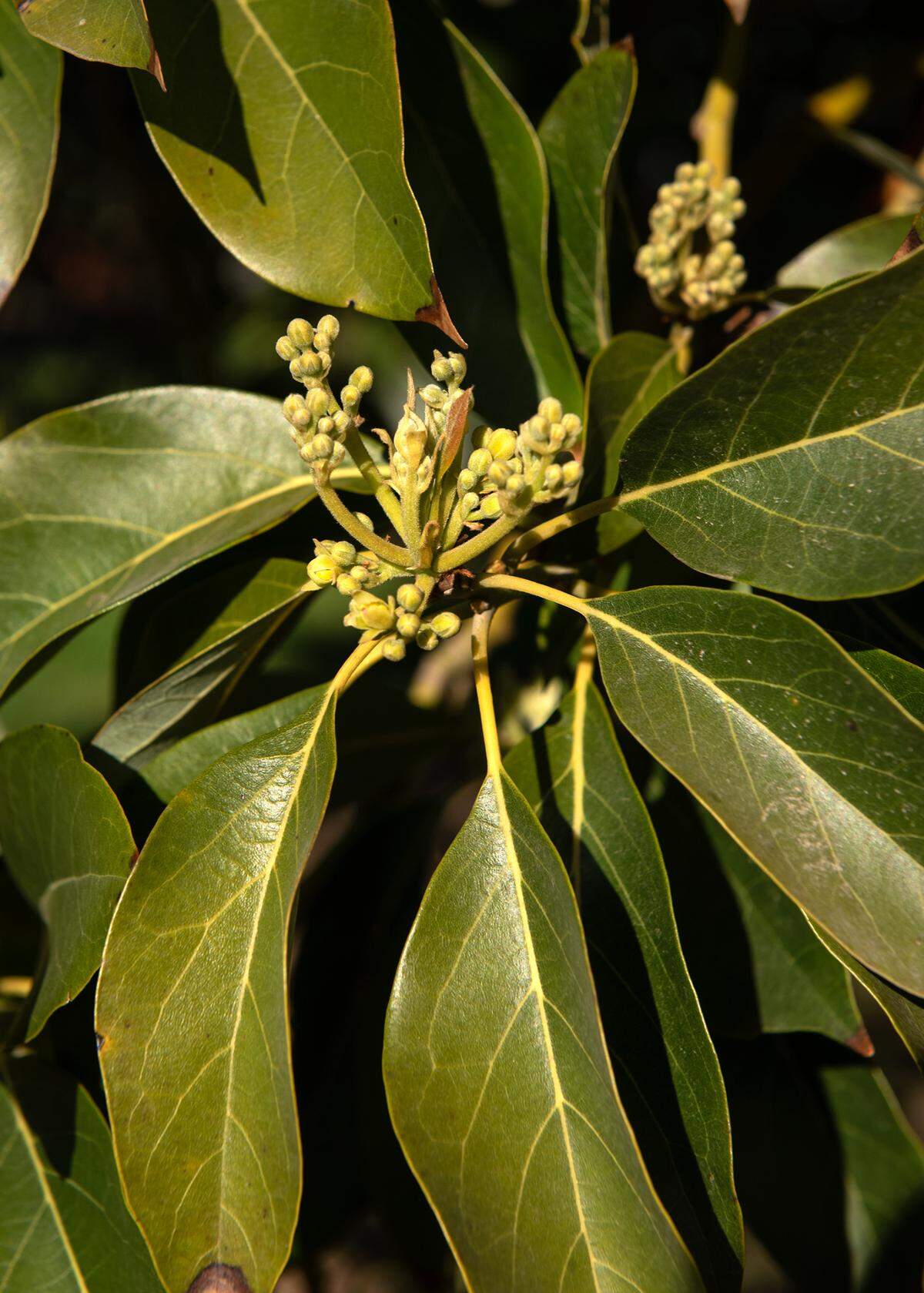
At some point in Laura’s early youth, Vivian planted an avocado tree near the center of the home plot at the corner. Laura remembers climbing its lower branches and reveling in the hum of bees in its blossoms. “I love it; it’s so peaceful,” she said. “To this day, I’m not afraid of bees.”
She said goodbye to the house at 9 when her mother left her father, who she remembers as a mean, drug-dabbling skirt-chaser. Laura visited on some holidays and remembers mashing avocados into a relatively healthy chocolate pudding in October, when thousands would ripen. And all that time, no one had any idea just how unique and precious the tree really was. They didn’t even know it was a Puebla.
Only 11 trees in California
Roughly four decades after leaving, Laura returned to the same bedroom to care for her ailing father before he died of leukemia 11 years ago, and she’s been trying to fix up the place ever since. When October rolled around, she would pull in a few bucks offering the special avocados at a roadside honor stand to motorists, mostly heading to or from nearby Del Rio.
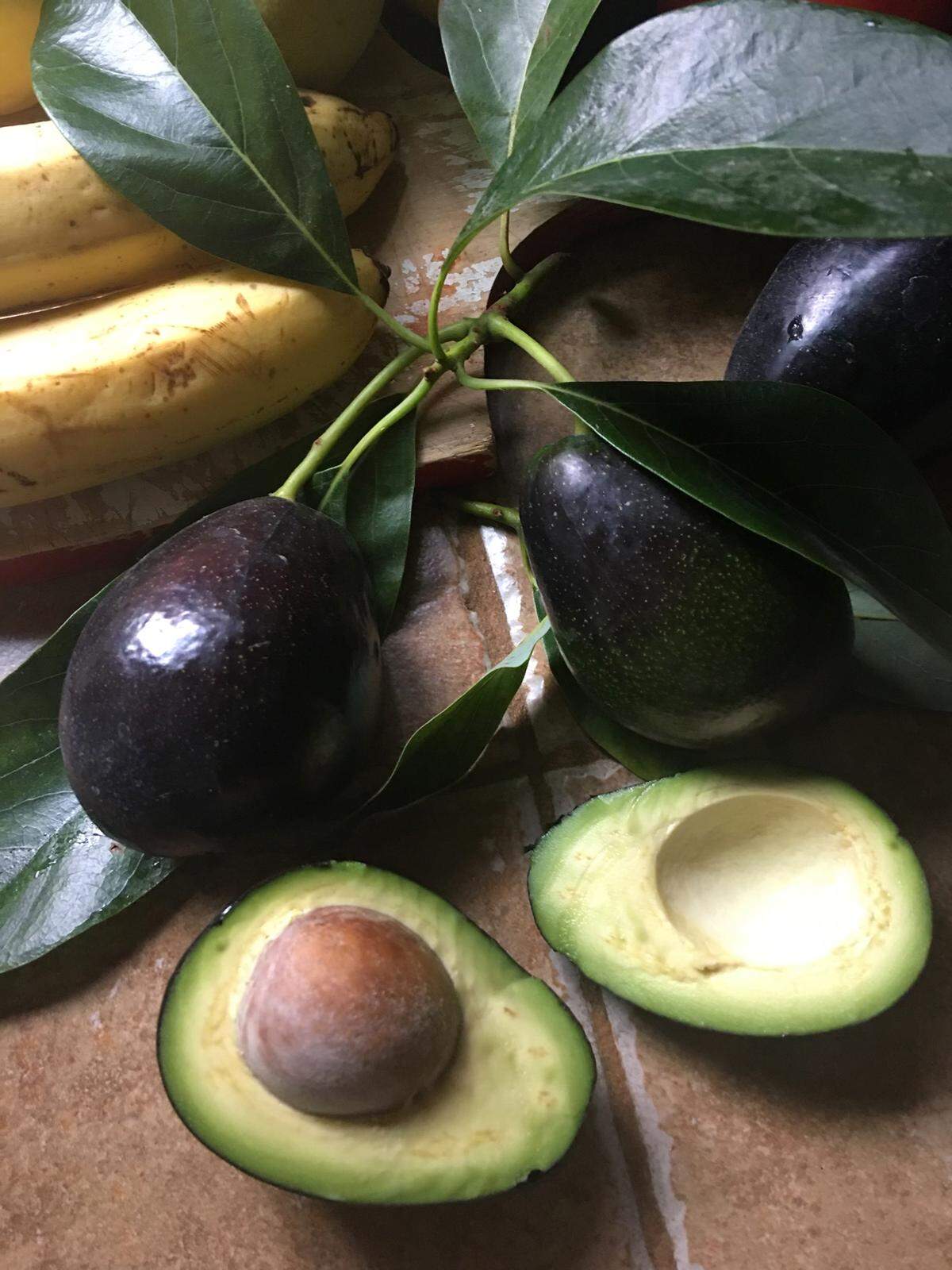
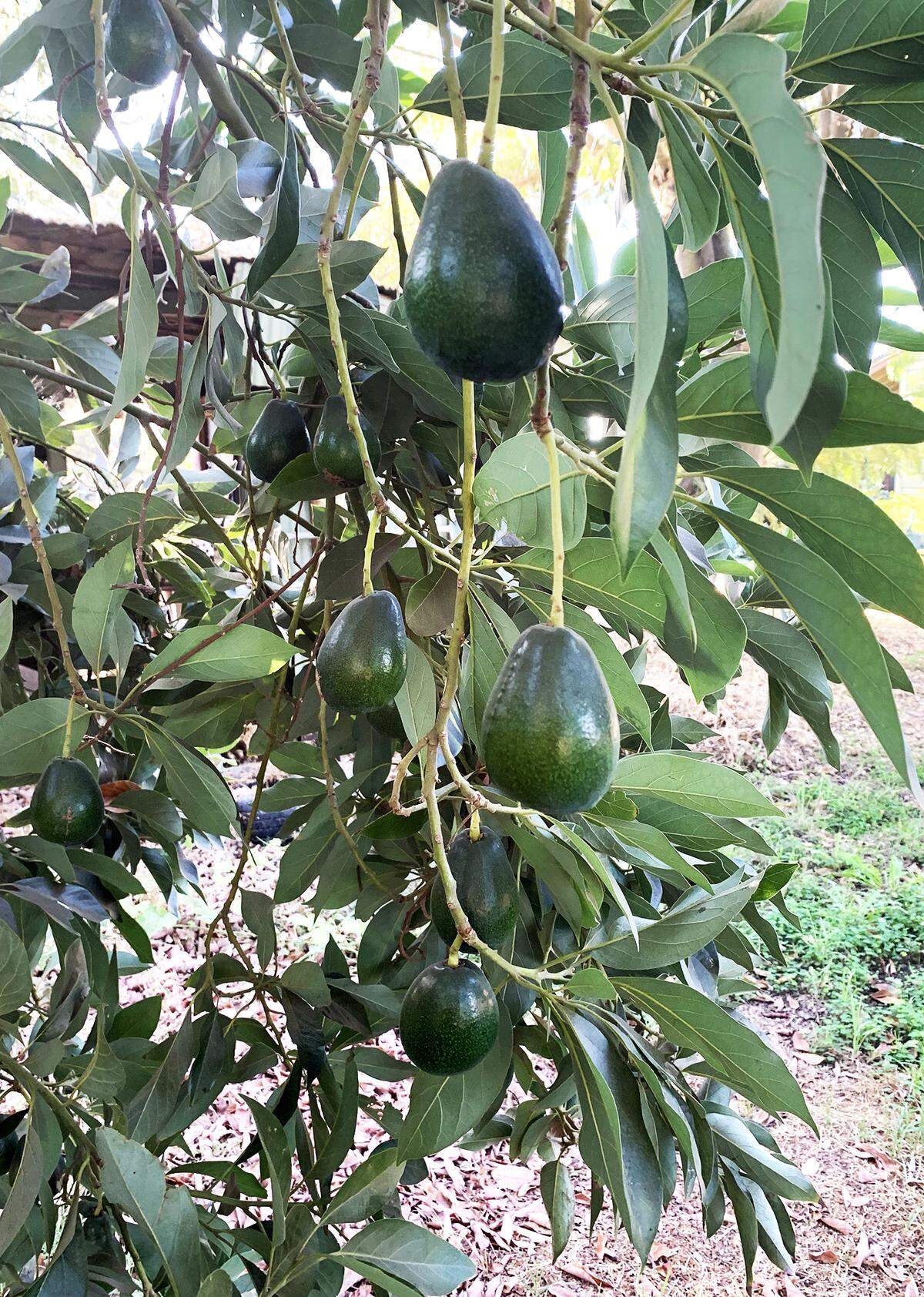
Laura’s daughter, with time to kill when COVID-19 isolated everyone a couple of years ago, became curious about the tree, did some research and came to recognize how unusual it is for avocados to have skin so fragile that a fingernail can pierce it — a “fragile jewel,” in Laura’s words. “If they fall from the top, they’re guacamole.”
Specialty Produce — a San Diego outfit that buys and sells special produce, of course — tested the tree’s nutty, creamy fruit with higher-than-normal oil content and determined it’s a genuine Puebla avocado — among only 11 known remaining in California. The variety was brought to San Diego in 1911 from the city of Puebla 80 miles southeast of Mexico City. Wildfires later killed all but 10 Puebla trees in San Diego County, and the company “affectionately labeled (Laura’s) the 11th tree,” its website says.
A few others are known to grow in Mexico and Kenya, but Pueblas are hard to export compared to Hass and other varieties whose thicker skin stands up better for shipping.
For the past couple of Octobers, Laura has paid a guy with a boom to harvest her delicate crop, which she carefully packs with special material and sends to Specialty Produce. The company is happy to pay $2 each, plus shipping, for the rare fruit.
But other family members with an interest in the property decided to capitalize on a superheated real estate market, and Laura will be a reluctant seller when the home and tree go up for sale, probably next month.
Timing is everything
If the real estate maxim “location, location, location” has some truth, “timing, timing, timing” might apply here.
About 80% of U.S. avocado imports come from Mexico, where drug cartels are known to extort growers. Our government indefinitely postponed shipments when a U.S. inspector in the western state of Michoacán was recently threatened, and avocados could become the next great American shortage — just as Laura’s sandy loam land, with a tree bearing thousands and thousands of specialty avocados, goes on the market.
By the way, this 55-year-old tree could live 200 to 400 years.
Best case scenario?
“That somebody buys the property and doesn’t cut down the tree,” Laura says. “And shares the avocados with me,” she adds, only half-joking.
Now that would be rare, indeed.
This story was originally published February 20, 2022 at 4:00 AM.