Stanislaus forest seeks to tame megafires on 260,000 acres. Valley air, water could benefit
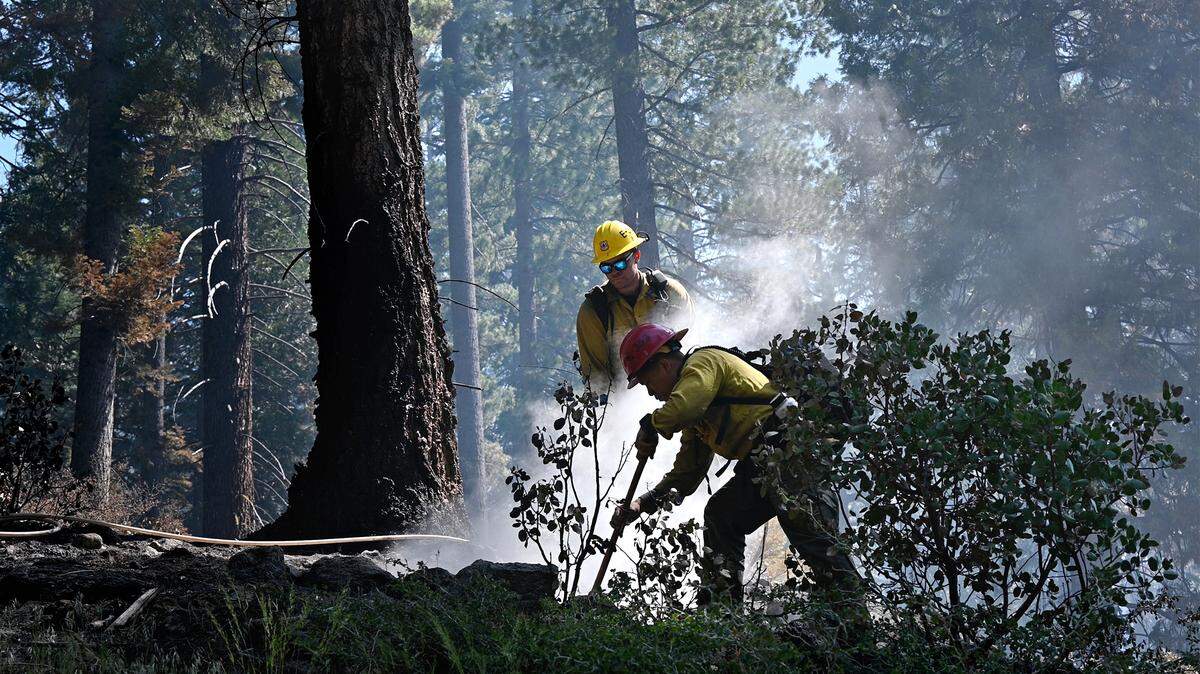
The Stanislaus National Forest has released a plan that could bring it much closer to its goal of preventing massive fires.
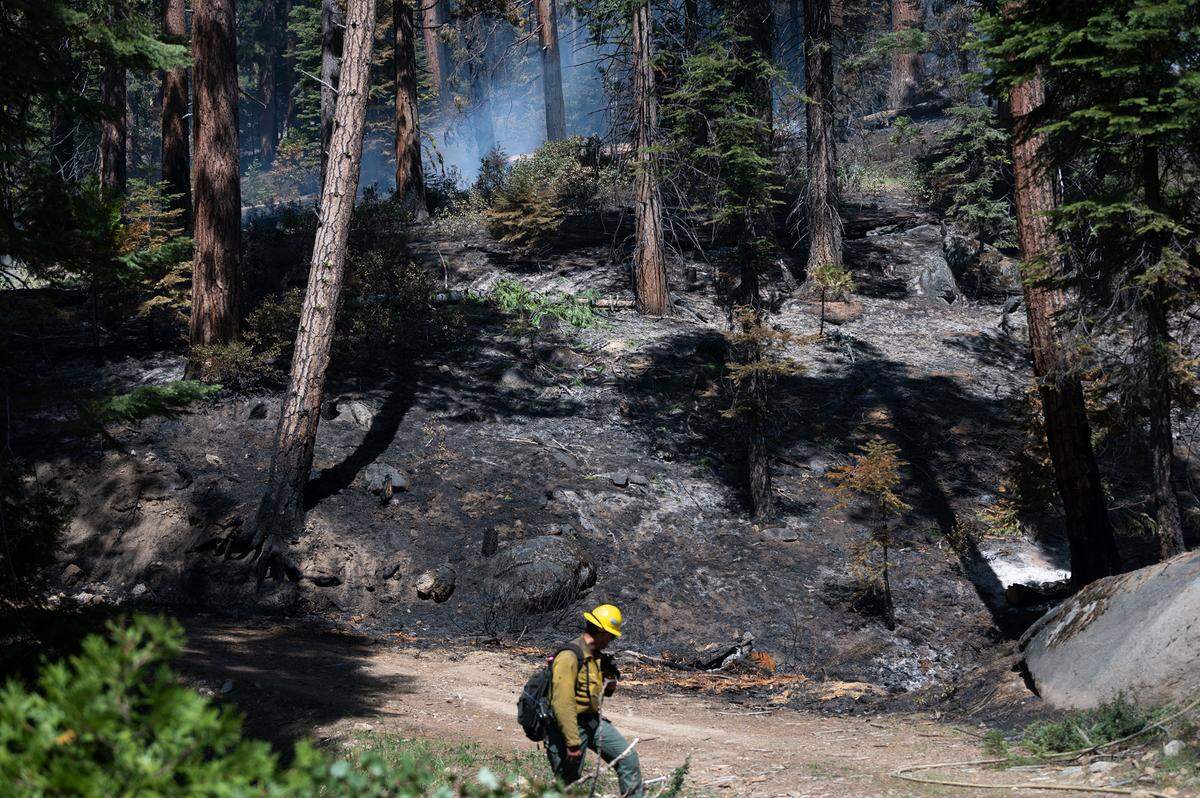
The draft details how selective logging and other methods could reduce the risk on about 260,000 acres. It would ramp up prescribed burning, an indigenous practice that had long kept the forest floor open.
The Stanislaus already is doing such work on another 245,000 acres thanks mainly to a $55 million federal grant awarded in April 2022. It will run through 2030 and also protect homes generally north of Highway 108 as far east as Strawberry.
The new plan does not yet have funding, said email from Benjamin Cossel, public affairs officer at the forest’s Sonora headquarters. It involves land both north and south of the first phase. The public has until Dec. 18 to comment on the proposal, which needs approval from Forest Supervisor Jason Kuiken.
The two plans together cover about all of the land at risk within the forest boundary, which includes private holdings. They do not apply to wilderness areas — high-elevation zones with sparse timber — nor to the vast expanse recovering from the Rim Fire of 2013.
The effort could mean cleaner air in the San Joaquin Valley, which gets smoke at times from Sierra Nevada fires. Valley farms and cities could get a modest boost in river runoff if fewer trees are sucking up moisture. And these mountains draw flatland residents for hiking, camping and other pursuits.
“These proactive hazardous fuels treatments will further reduce the wildfire risk to various communities, iconic recreation sites and critical infrastructure as well as improve habitat for a myriad of aquatic and terrestrial species,” Kuiken said in a news release.
The plans have support from a Tuolumne County coalition of environmental, timber and other groups. They agree that the woods have grown too crowded over the past 125 or so years.
One reason was the policy of suppressing every fire, even small ones that had consumed mostly grass and brush while keeping large trees intact. And the early loggers took mostly tall pines, leaving the more fire-prone firs and cedars behind.
The result was megafires such as the 257,000-acre Rim. They covered more ground and burned more fiercely than past blazes, including the millennia when only Me-Wuk people lived in this part of the Sierra.
The coalition includes Sierra Pacific Industries, owner of most of the private timberland in the region. It has retrofitted its two sawmills in the county to use skinnier logs.
The Tuolumne River Trust also is a partner. It long has advocated for its namesake watershed and is aiding the adjacent Stanislaus River in the first phase of fuel reduction.
“This work has been incredibly important for the health of the watershed and the protection of the community,” Executive Director Patrick Koepele said by email.
The coalition is named Yosemite Stanislaus Solutions. The name reflects a concern about both the national forest and adjacent park. The latter does not allow logging but does do extensive prescribed burning.
The coalition also includes the Central Sierra Environmental Resource Center in Twain Harte. Executive Director John Buckley said by email that it can support logging that no longer involves old growth stands. He also noted the jobs created, such as rebuilding dirt roads in the treatment areas.
The effort, Buckley said, is “helping to make the forest areas more resilient to drought and the periodic infestations of bark beetles that target dense, overgrown stands of trees.”
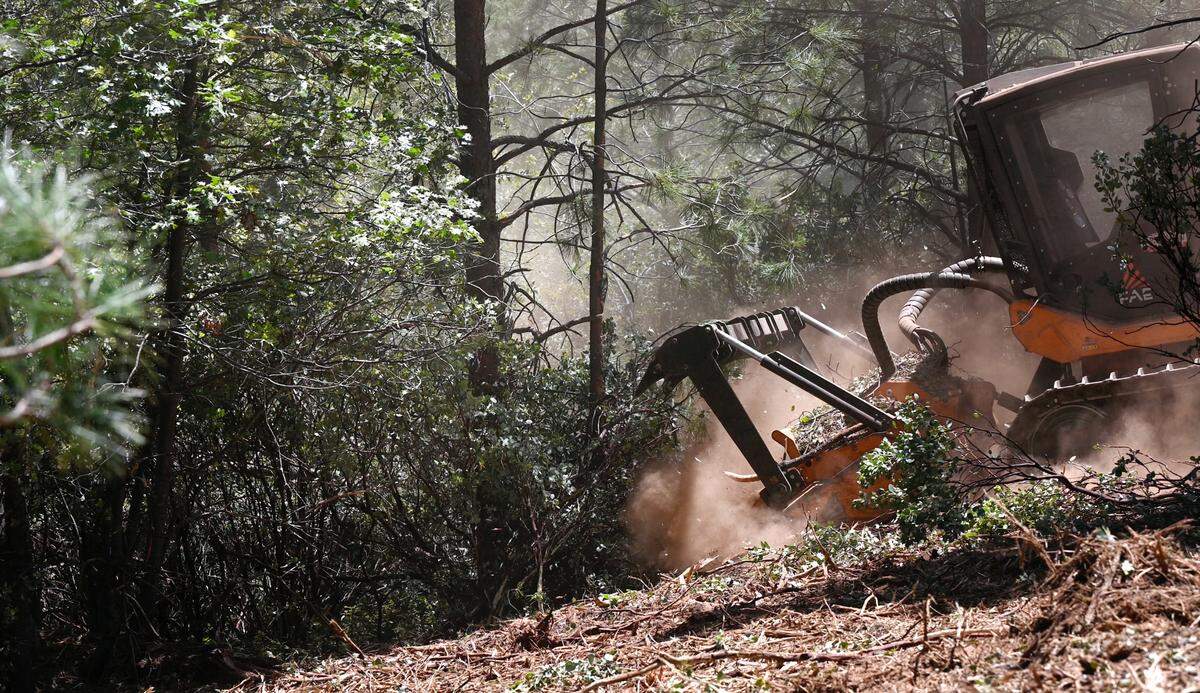
Some fuel is being reduced with a “masticator,” which chews up small trees and brush. Combined with the other methods, this could leave a mosaic of treated spots that slows future wildfires.
Prescribed burns have rules aimed at avoiding excessive smoke and the risk of the flames escaping the control lines. The practice is increasing also in foothill areas dominated by grass and oaks. It still could taint Valley air at times, but not as much as during large wildfires.
Most of the Valley gets its water from the Sierra. A UC Merced study estimated a 9% gain in runoff if the watersheds had fewer trees per acre.
The new Forest Service plan is known as SERAL, which stands for Social and Ecological Resilience Across the Landscape. Instructions on how to comment are at www.fs.usda.gov/stanislaus.