Patterson-based producer of dried fruit turns to bogs of Wisconsin for latest venture
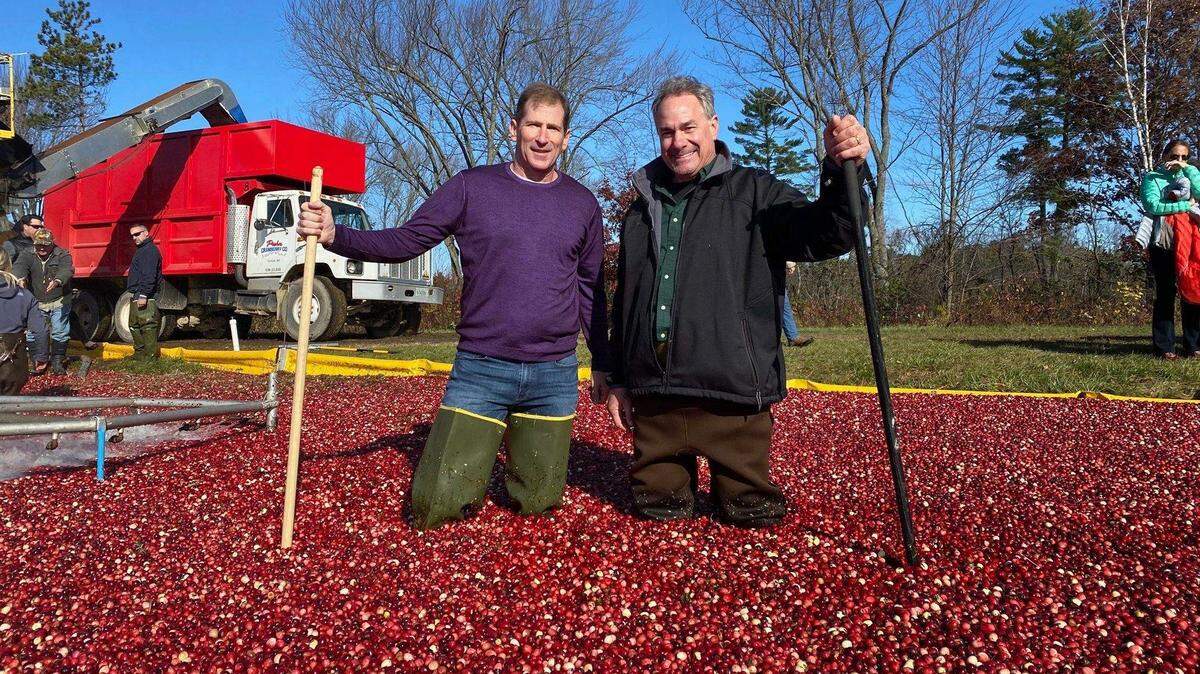
A processing plant in Wisconsin will supply cranberries to Traina Foods of Patterson, a leader in the dried fruit industry.
President Willie Traina and partner John Potter purchased the CranGrow plant in the town of Warrens. It is in the central part of Wisconsin, the nation’s leader in cranberry production.
Cranberry vines grow in bogs that mimic the natural terrain of the Great Lakes and New England. They cannot handle the heat of the San Joaquin Valley, where Traina Foods grows the vast majority of its fruits.
The purchase was announced Nov. 10, two weeks before the Thanksgiving boom in cranberry consumption. The price was not disclosed.
Traina employs about 160 full-time and 180 seasonal people at its Patterson operation. It started in 1926 with sun-dried apricots. It expanded into tomatoes, peaches, plums, apples, blueberries, pears and various other fruit.
Most of the volume is sold in bulk to food manufacturers around the world, as well as restaurants and other food-service clients. Modesto-area fans can find the products at the Fruit Yard restaurant and market, a Traina business at Yosemite Boulevard and Geer Road.
Wisconsin plant retains workers
Traina was already in the cranberry business before the CranGrow deal, purchasing dried product from four plants in the Midwest and East. The plant in Warrens was completed in 2016 for a cooperative called Cranberry Growers.
Potter and Traina plan to keep the 70 so plant employees. The partners formed a new entity, American Berry Co., for this venture.
“After a great 2020 harvest, we’re excited to offer new employment opportunities and become fully operational,” said Alan DeVore, the new company’s CEO, in a news release.
Potter also co-owns Innovative Sales Inc. of Modesto, which sells a variety of bulk nuts and dried fruits around the world. And he is a partner in New Aces Pecan Co., which processes in Las Cruces, N.M.
Dried cranberries are rich in vitamin C, manganese and fiber. They add a sweet/tart taste to many dishes, said an email from Carrie Taylor, the corporate chef at Traina Foods.
“Cranberries aren’t just the traditional can-shaped jelly or relish on the Thanksgiving table,” she said. “They have made their way into everyday foods. Add dried cranberries to breakfast cereals, cookies, quick bread, salads, entrées and side dishes. Liven up your holiday green beans, Brussels sprouts or asparagus with cranberries, by adding them right before the dish hits the table.”
A visit to the cranberry bogs
Cranberries grow in artificial wetlands that are flooded in winter to protect the vines from harsh weather. They are drained in spring to allow new shoots to emerge. The plants bloom in June and July, when honeybees spread the pollen that creates each berry.
Harvest takes place from September to November, when the berries are bright red. Many growers flood the bogs again for this step. The water helps dislodge the fruit from the vine.
The nation’s 2020 crop will be about 448,500 tons, the U.S. Department of Agriculture estimated. That works out to 2.7 pounds per capita, mainly consumed as juice and canned sauce. The crop also grows in Massachusetts, New Jersey, Oregon and Washington.
More information is at the Wisconsin Cranberry Discovery Center. The museum is in Warrens, a mile east of the plant now supplying Traina.
“We’re proud to join the Wisconsin cranberry community and bring new energy and perspective to the Warrens plant,” Willie Traina said.